Waterloo City Farm London – Explore the Heart of Urban Farming and Community Life

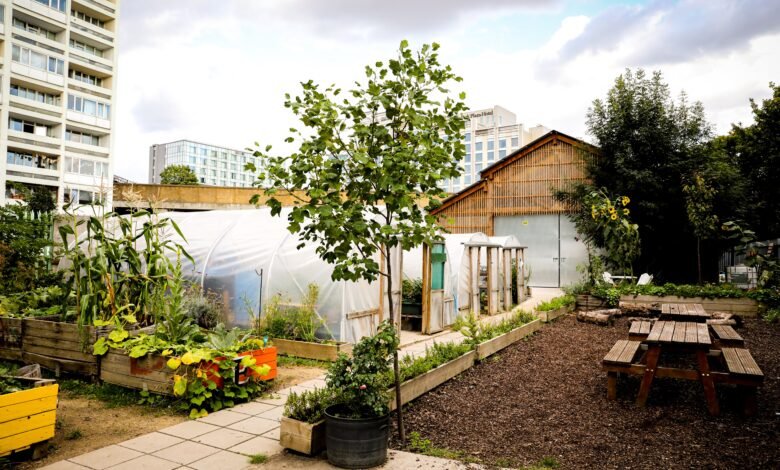
Waterloo City Farm is a remarkable urban sanctuary in central London, offering a vibrant blend of community engagement, educational programmes, and hands-on experiences with nature. Situated just south of Waterloo Station, the farm occupies a once-neglected plot transformed into a thriving hub for local residents, school groups, and visitors from across the city. Its unique combination of green space, livestock, and community-driven activities makes it a standout destination in London.


Beyond its scenic gardens and timber-framed barns, Waterloo City Farm serves as an important example of how urban farming can promote wellbeing and social cohesion. Visitors can participate in workshops, interact with animals, and explore sustainable gardening practices, all while learning about the farm’s mission. The farm demonstrates how a small urban plot can have a significant impact on the local community and environment.
History of Waterloo City Farm
Waterloo City Farm was established in 2014, transforming a disused and neglected strip of land into a lively urban farm and community hub. The initiative was supported by Guy’s and St Thomas’ Charity and partnered with Jamie’s Farm, creating opportunities for education, volunteering, and nature-based learning. Over the years, the farm has become a model for urban regeneration and community engagement, showing how creative projects can revitalise city spaces.
The farm’s evolution includes several development phases, including the construction of the timber-framed education barn and carefully designed outdoor spaces. Waterloo City Farm has consistently prioritised accessibility and inclusivity, ensuring that young people, schools, and volunteers can all benefit from its programmes. Its growth highlights the increasing importance of urban green spaces in densely populated cities like London.
Design and Architecture by Feilden Fowles
Waterloo City Farm owes much of its architectural identity to the visionary design of Feilden Fowles. The firm’s approach combines functionality, sustainability, and aesthetics to create spaces that enhance the farm’s community mission. The timber-framed education barn is a standout feature, providing a versatile venue for workshops, classes, and events, all designed to blend harmoniously with the surrounding gardens and outdoor areas.
Feilden Fowles waterloo city farm design focuses on natural materials, light-filled interiors, and flexible spaces that encourage interaction and learning. The architecture reflects a thoughtful balance between practicality and beauty, ensuring that the farm is both inspiring and functional. Visitors often remark on how the buildings and outdoor spaces complement the educational and therapeutic programmes offered on site, making the farm an immersive urban experience.
Attractions and Activities at Waterloo City Farm
Waterloo City Farm hosts a variety of animals, including pigs, sheep, goats, geese, and chickens, many of which rotate from Jamie’s Farm in Wiltshire. Visitors can enjoy feeding sessions, observing animal care routines, and learning about the responsibilities of urban livestock management. These activities provide a rare opportunity to experience farm life in the heart of London.
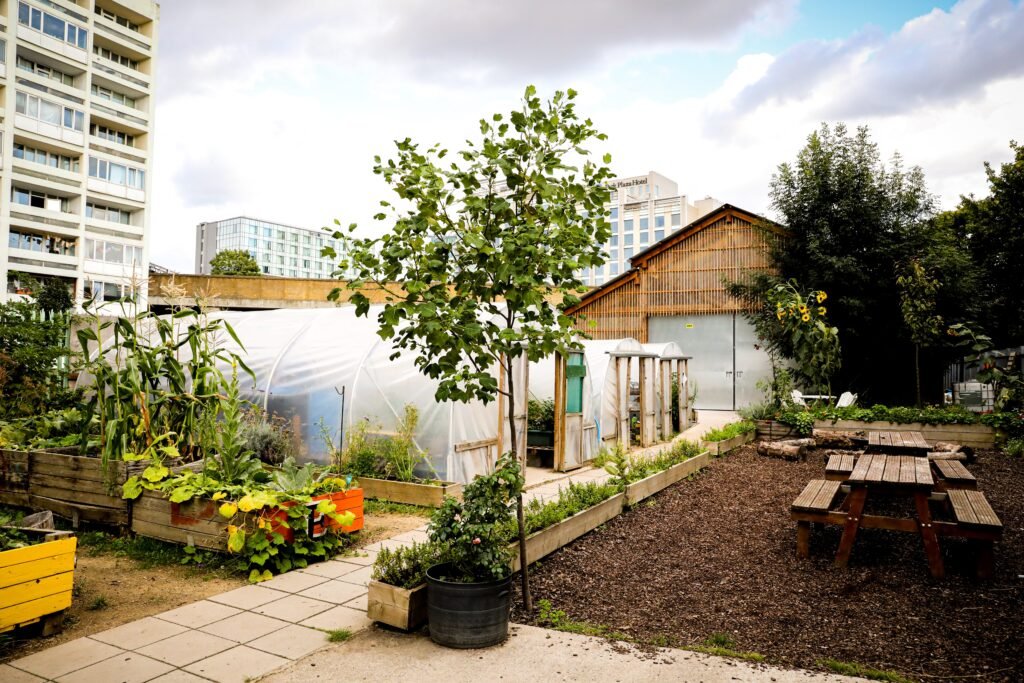
The farm also features gardens, outdoor classrooms, and walled courtyards for workshops in gardening, cooking, and creative arts. Seasonal events and open days invite the public to explore the farm while engaging in hands-on learning. Waterloo City Farm’s diverse offerings make it an ideal destination for families, school groups, and volunteers, allowing participants to develop practical skills and a deeper connection to nature.
Educational and Therapeutic Programmes
Waterloo City Farm offers educational and therapeutic programmes that focus on supporting young people, particularly those at risk of exclusion or facing social challenges. Through activities such as gardening, animal care, and practical workshops, the farm promotes personal development, confidence, and wellbeing. Schools and local organisations regularly partner with the farm to provide students with immersive learning experiences.
These programmes demonstrate the transformative power of urban farming, combining environmental education with life skills development. Participants gain hands-on experience in teamwork, responsibility, and resilience. Waterloo City Farm’s commitment to youth engagement ensures that its impact extends far beyond recreational activities, creating lasting benefits for both individuals and the wider community.
Visiting Waterloo City Farm
Waterloo City Farm is conveniently located near Waterloo Station, making it easily accessible to London residents and tourists alike. Visitors can enjoy guided tours, open days, and interactive workshops that provide a comprehensive view of the farm’s facilities and activities. Tickets may be required for special events, so planning ahead is recommended for those wishing to participate.
The farm is suitable for families, school groups, and volunteers, offering accessible pathways, seating areas, and educational spaces. First-time visitors are encouraged to explore both the animal areas and gardens to gain a full understanding of the farm’s community and sustainability programmes. Waterloo City Farm offers a welcoming, hands-on experience that combines learning, recreation, and engagement with nature.
Community Impact and Sustainability
Waterloo City Farm plays an important role in promoting sustainability, biodiversity, and social cohesion within an urban environment. By maintaining gardens, raising livestock, and providing environmental education, the farm contributes to both ecological awareness and community wellbeing. Volunteers and visitors actively support these initiatives through participation in everyday farm activities.
The farm’s social impact is equally significant. Through therapeutic and educational programmes, Waterloo City Farm provides opportunities for young people to develop skills and confidence while fostering a sense of community. Its approach demonstrates that urban farms can be both environmentally sustainable and socially transformative, offering a replicable model for other cities seeking to combine nature, education, and community engagement.
Conclusion
Waterloo City Farm is more than just a city farm; it is a dynamic centre for community, education, and sustainability. With innovative design by Feilden Fowles, diverse activities, and a focus on youth development, the farm provides a unique experience for visitors. Its presence in central London underscores the importance of urban green spaces in fostering wellbeing and connection.
Whether exploring the gardens, interacting with animals, participating in workshops, or volunteering, Waterloo City Farm offers experiences that enrich both individuals and the wider community. Its combination of practical learning, ecological awareness, and social impact makes it an essential destination for anyone interested in urban farming and community life.
FAQs
What is Waterloo City Farm and where is it located?
Waterloo City Farm is an urban farm in central London near Waterloo Station, offering community, educational, and therapeutic activities in a green city space.
Who designed the Waterloo City Farm buildings?
Feilden Fowles designed the farm’s timber-framed education barn and other structures, focusing on sustainable architecture and community engagement.
Can the public visit Waterloo City Farm, and do I need tickets?
Yes, the farm hosts open days, guided tours, and workshops. Tickets may be required for specific events or programmes.
What animals can you see at Waterloo City Farm?
Visitors can see pigs, sheep, goats, geese, and chickens, with seasonal rotations to provide varied farm experiences.
How can I volunteer at Waterloo City Farm?
Volunteers support gardening, animal care, and educational activities. Minimum commitment details are available on the farm’s website.
Are there educational programmes for children at the farm?
Yes, the farm offers hands-on workshops and programmes for children and young people, promoting learning, confidence, and wellbeing.
What makes Waterloo City Farm unique in London?
Its central location, Feilden Fowles architecture, community engagement, and combination of educational and therapeutic programmes make it distinct.
How does Waterloo City Farm support sustainability and the community?
The farm promotes biodiversity, sustainable urban farming, youth education, and community volunteering, fostering both environmental and social benefits.