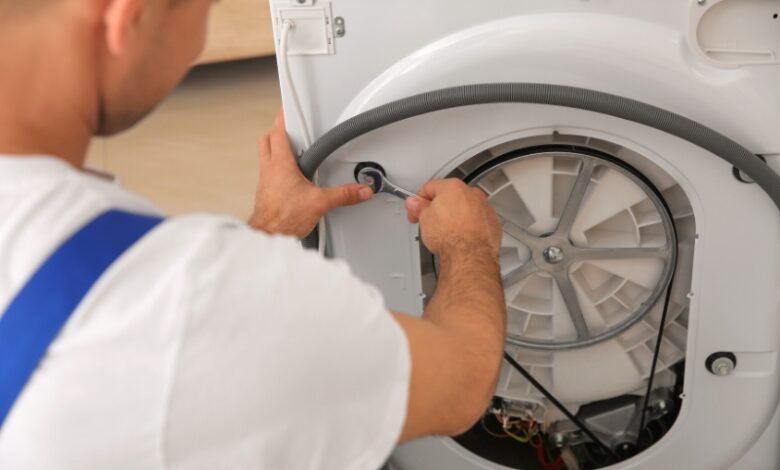
Do tumble dryers have transit bolts? This is a question that many UK homeowners ask when setting up a new appliance. Transit bolts are small but vital components designed to keep the drum secure during transportation. If they are not removed before using your dryer, you could experience loud noises, excessive vibration, and even damage to the drum or motor. Understanding how to locate and remove these bolts ensures your appliance operates safely and efficiently.


Many people are unaware that transit bolts are included in a large number of modern tumble dryers, including heat pump, condenser, and vented models. They are primarily designed to prevent the drum from moving while the dryer is being shipped. Failing to remove them is a common mistake, but once identified, the process is simple. In this guide, we explore how to check for transit bolts and safely remove them to protect your investment.
What Are Transit Bolts and Why Do They Matter?
Transit bolts, sometimes referred to as transportation safety assemblies, are fitted to many tumble dryers to stabilise the drum during shipping. They are often made of metal or hard plastic and are strategically positioned to prevent internal movement that could damage the dryer during transit. These bolts ensure the drum and motor remain aligned until the appliance is ready to be installed.
Leaving transit bolts in place can result in unusual noises, vibrations, and even potential damage to your tumble dryer. Manufacturers often emphasise their removal in the user manual, and failing to do so could void your warranty. Many UK users are surprised to learn that some dryers also include internal stabilisers inside the drum, which also need to be removed. Removing transit bolts is a small step that ensures long-term performance and reliability.
How to Identify Transit Bolts on Your Dryer
Do tumble dryers have transit bolts? The answer varies depending on the brand and model, but most larger dryers in the UK do. Transit bolts are usually located on the back of the appliance, and they are often highlighted in the user manual. Some models also include plastic spacers or internal packaging that acts as additional transit protection.
Identifying the transit bolts is relatively straightforward. Look for brightly coloured bolts or large metal screws at the rear of the dryer. Brands such as Bosch, Samsung, Beko, Miele, and Candy typically fit two to four transit bolts, though some models may not require them. Checking your user manual is the best way to confirm the exact location of these components, as it will also include guidance on safe removal.
How to Remove Transit Bolts Safely
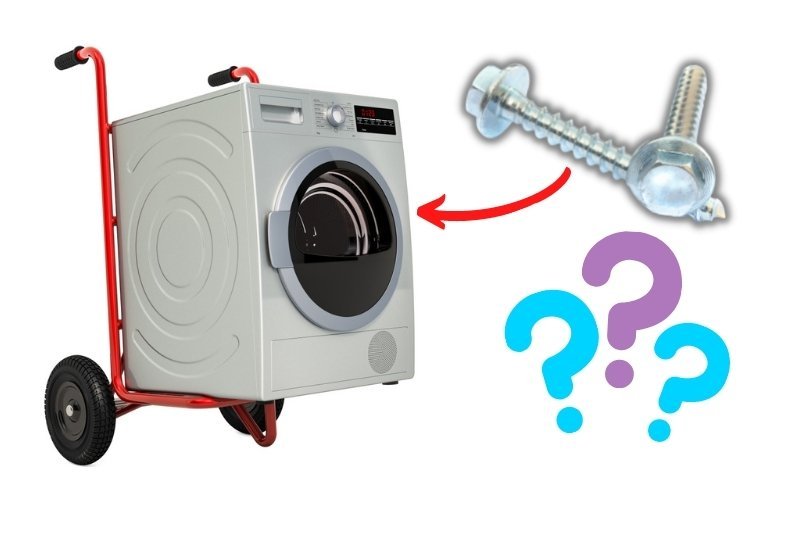
Once you have located the transit bolts, removing them safely is a straightforward process. First, gather a spanner or socket wrench. Turn each bolt anticlockwise to unscrew it. Be sure to remove any internal stabilisers or plastic spacers inside the drum as well. These parts prevent the drum from moving during transport and are not intended for operational use.
After removing the transit bolts, spin the drum manually to ensure it moves freely without obstruction. This is a crucial step to verify that all protective components have been removed. Keep the transit bolts in a safe place for future use if you ever need to move the dryer. Proper removal ensures smooth operation, reduces noise, and prolongs the life of your appliance.
Common Questions About Transit Bolts
Many UK users wonder, do tumble dryers have transit bolts on all models? While not every dryer comes with them, most larger appliances, particularly condenser and heat pump dryers, include these bolts. Using the dryer without removing them can result in significant vibration, loud operational noises, and potential damage to the drum.
Transit bolts differ from washing machine bolts because dryer drums are generally lighter and less shock-sensitive. However, their function is similar: protecting the drum and motor during transit. Even if your dryer seems stable, it is always better to verify whether transit bolts are installed and remove them as needed. This simple step ensures that your appliance works efficiently from the start.
UK-Specific Considerations for Transit Bolts
In the UK, manufacturers often stress the importance of removing transit bolts to comply with warranty conditions. Installation guides frequently include this step as standard, and ignoring it can void the warranty or compromise safety. DIY removal is generally safe, but users unsure about the process may prefer professional installation or guidance.
UK safety regulations also advise keeping the transit bolts for future transportation. If you ever move house, reinstalling these bolts prevents damage during relocation. Proper handling of transit bolts not only keeps your tumble dryer operating efficiently but also ensures compliance with manufacturer and safety recommendations.
The Risks of Not Removing Transit Bolts
Failing to remove transit bolts can cause severe operational issues. The dryer drum may produce heavy vibrations, rattling noises, or even become misaligned. Over time, this can lead to permanent damage to the drum, bearings, or motor, and repairs can be costly. Many UK users are surprised at how disruptive this small component can be if overlooked.
In addition, leaving transit bolts in place may void your manufacturer warranty. Most brands explicitly warn against operating the appliance with transit bolts installed. It is a simple step that prevents long-term damage and ensures that your dryer runs smoothly and quietly, giving you peace of mind and consistent performance.
Conclusion
Do tumble dryers have transit bolts? Most larger dryers in the UK do, and identifying, locating, and safely removing them is essential for proper operation. Transit bolts protect the drum during transportation but must be removed before first use to prevent damage, excessive noise, and vibration. Following your user manual ensures the process is simple and safe.
Always store transit bolts for future transportation, such as moving house, to prevent damage during transit. Removing these small components may seem minor, but it is crucial for prolonging the life of your appliance. By checking for transit bolts and handling them correctly, your tumble dryer will operate efficiently, quietly, and reliably for years to come.
FAQs
Do all tumble dryers have transit bolts?
Most larger UK tumble dryers include transit bolts, especially condenser and heat pump models, but not all appliances require them.
How do I know if my dryer has transit bolts?
Check the back of the dryer and inside the drum, and always refer to the user manual for model-specific guidance.
Can I use my tumble dryer with transit bolts still installed?
No. Operating the dryer with transit bolts can cause damage, vibrations, and excessive noise.
How many transit bolts are typically fitted on a dryer?
Most dryers have two to four transit bolts, depending on drum size and brand.
Do Bosch, Samsung, Beko, or Miele dryers have transit bolts?
Yes, these brands typically include transit bolts, but placement and number may vary by model.
What tools do I need to remove transit bolts safely?
A spanner or socket wrench is generally sufficient to remove the bolts safely.
Where should I store transit bolts after removal?
Keep them in a safe place for future transportation to avoid damage during moves.
Are transit bolts different from washing machine transit bolts?
Yes. Dryer bolts are usually lighter but serve the same purpose: protecting the drum during transport.