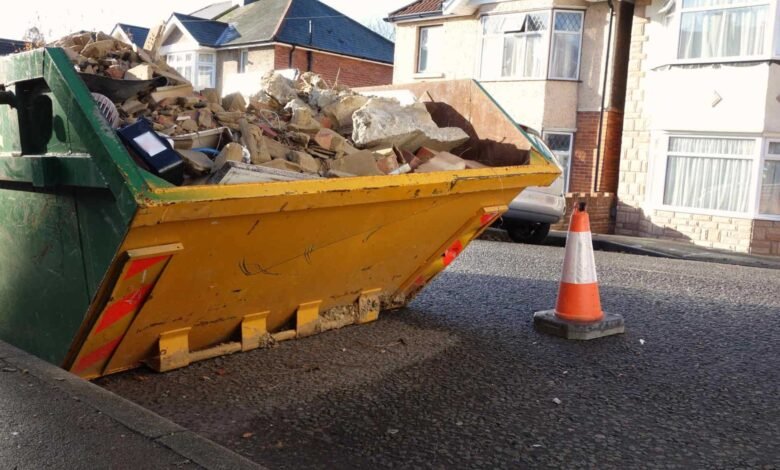
The cost of skip hire London is a key consideration for homeowners, builders, and businesses carrying out renovation or clearance projects. In 2026, demand for skip hire continues to rise due to increased construction activity and stricter waste disposal regulations across the capital. Understanding how pricing works helps avoid unnecessary expenses and ensures efficient waste management from the start of any project.


The cost of skip hire London varies significantly depending on skip size, location, waste type, and permit requirements. London is one of the most expensive areas in the UK for skip hire due to congestion charges and council permits. This guide explains everything in detail so you can make informed decisions and avoid hidden costs when hiring a skip.
What Skip Hire Means in London and How It Works
Skip hire in London is a waste disposal service where a large container is delivered to your property, filled with waste, and collected for responsible disposal or recycling. The cost of skip hire London typically includes delivery, collection, and processing fees, but additional charges may apply depending on location and requirements.
The process begins with selecting the correct skip size and booking a licensed provider. If the skip is placed on private land such as a driveway, the process is straightforward. However, if it is placed on a public road, a council permit is required, which increases the cost of skip hire London and may take a few days to arrange.
Average Cost of Skip Hire London in 2026
The cost of skip hire London in 2026 generally ranges from £150 to £450 per week, depending on the size of the skip and the area within London. Smaller skips such as 2-yard and 4-yard options are more affordable, while larger 6-yard and 8-yard skips are more expensive due to higher waste capacity and disposal fees.
On average, most domestic users spend between £200 and £350 for a standard builders’ skip. The cost of skip hire London is also influenced by demand fluctuations, fuel prices, and environmental regulations. Businesses and construction sites may pay higher rates due to larger volumes of waste and longer hire durations.
Skip Sizes and Their Impact on Cost of Skip Hire London
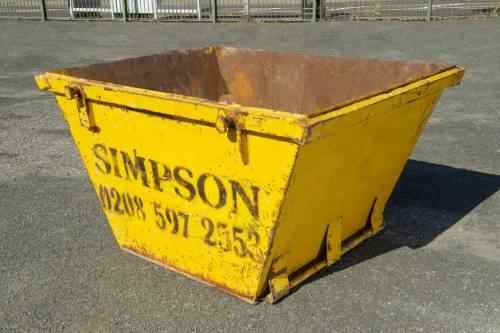
Choosing the right skip size plays a major role in controlling the cost of skip hire London. A 2-yard skip is suitable for small household clean-ups, while a 4-yard skip is commonly used for kitchen or bathroom renovations. These smaller options are more affordable and ideal for limited waste disposal needs.
A 6-yard skip is the most commonly hired size for builders, offering a balance between capacity and price. Larger 8-yard skips are designed for bulky waste or commercial use. Selecting the wrong size can increase the cost of skip hire London due to overfilling charges or the need for an additional skip.
Factors That Influence Cost of Skip Hire London
Several factors affect the cost of skip hire London, with location being one of the most important. Inner London boroughs often have higher prices due to traffic restrictions, parking limitations, and higher operational costs. Outer boroughs may offer slightly cheaper rates, but permit requirements still apply in many cases.
Waste type also significantly impacts pricing. Heavy materials like soil, bricks, or concrete may cost more to dispose of compared to general household waste. Additionally, the cost of skip hire London increases with longer hire durations, restricted access areas, and peak seasonal demand during busy construction periods.
Skip Permits and Legal Costs in London
A skip permit is required when placing a skip on a public road in London. This is a major contributor to the cost of skip hire London, as councils charge additional fees for road use and safety management. Permit prices vary depending on the borough and duration of hire.
Most skip hire companies handle permit applications on behalf of customers, but this service adds to the overall cost of skip hire London. Without a valid permit, users risk fines and removal of the skip. To avoid extra costs, many customers prefer placing skips on private driveways whenever possible.
Hidden Charges in Cost of Skip Hire London
Understanding hidden charges is essential when calculating the true cost of skip hire London. Common extra costs include overweight charges if the skip exceeds its weight limit, extended hire fees if the skip is kept longer than agreed, and surcharges for restricted waste materials.
Delivery difficulties can also increase the cost of skip hire London, especially in narrow streets or congested areas. Some providers may charge additional fees for fuel or congestion zones. Always reviewing terms and conditions before booking helps prevent unexpected expenses.
How to Reduce Cost of Skip Hire London
There are several practical ways to reduce the cost of skip hire London without compromising service quality. One of the most effective methods is selecting the correct skip size to avoid paying for unused space or additional collections. Planning waste carefully before booking is essential for cost control.
Another way to reduce the cost of skip hire London is to place the skip on private property, avoiding council permit fees. Comparing multiple providers, booking in advance, and separating recyclable materials can also significantly reduce overall expenses while improving environmental efficiency.
Alternatives to Skip Hire in London
Although skip hire is convenient, there are alternatives that may reduce the cost of skip hire London depending on the project size. Grab lorry services are ideal for large volumes of loose waste and can sometimes be more cost-effective for construction work or site clearances.
Man and van rubbish removal services are suitable for smaller loads and provide quick collection without the need for permits. Council bulky waste collections are another option that can reduce the cost of skip hire London for household items, although availability and restrictions may apply.
Conclusion
The cost of skip hire London in 2026 depends on several important factors including skip size, location, permits, and waste type. While prices are generally higher than the UK average, proper planning and smart choices can help reduce expenses significantly. Understanding these variables ensures better budgeting and smoother project execution.
By selecting the right skip size, avoiding unnecessary permits, and comparing providers, customers can effectively manage the cost of skip hire London. Whether for home renovation or commercial construction, informed decisions lead to better value, efficient waste disposal, and a more sustainable approach to managing waste in London.
FAQs on Cost of Skip Hire London
How much does skip hire cost in London in 2026?
The cost of skip hire London typically ranges from £150 to £450 per week depending on skip size, location, and waste type. Smaller skips are cheaper, while larger commercial skips cost more due to higher disposal and transport fees across the city.
What is the cheapest skip size in London?
The smallest option, usually a 2-yard skip, is the cheapest. It is ideal for minor household waste. The cost of skip hire London increases with size, so choosing the correct skip helps avoid unnecessary spending and keeps disposal efficient.
Do I need a permit for skip hire in London?
Yes, a permit is required if the skip is placed on a public road. This affects the cost of skip hire London as councils charge additional fees. If placed on private property, no permit is needed, making it more cost-effective.
How can I reduce skip hire costs in London?
You can reduce the cost of skip hire London by choosing the right size, placing the skip on private land, and comparing suppliers. Recycling waste and avoiding overfilling also helps reduce extra charges and improves efficiency.
What items cannot go into a skip?
Hazardous waste such as chemicals, asbestos, tyres, and electrical appliances are restricted. Including prohibited items can increase the cost of skip hire London due to additional handling and disposal requirements, so proper sorting is essential.