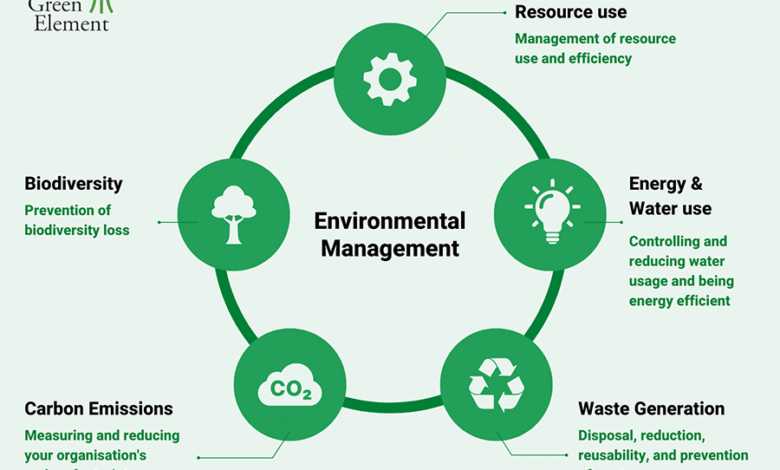
An environmental management system (EMS) is a structured framework designed to help organisations manage their environmental impact systematically. It allows businesses to identify, monitor, and control aspects such as waste, emissions, and resource usage. Understanding what is an environmental management system is essential for companies aiming to reduce environmental risks while improving operational efficiency and corporate responsibility.

The concept of an EMS goes beyond regulatory compliance. It encourages continuous improvement, helping organisations set measurable environmental goals and track progress over time. By embedding sustainability into day-to-day operations, businesses not only protect the environment but also strengthen their reputation with customers, stakeholders, and investors. This proactive approach has become increasingly important for companies operating in environmentally conscious markets.
What Is an Environmental Management System (EMS)?
An environmental management system (EMS) is more than just a policy; it is a formalised system that organisations use to ensure sustainable practices are applied consistently. It involves identifying environmental aspects, assessing impacts, and implementing procedures to reduce negative outcomes. Learning what is an environmental management system provides clarity on how businesses can integrate environmental responsibility into their strategic operations.
EMS frameworks are adaptable to organisations of all sizes and sectors, from small enterprises to multinational corporations. They ensure that environmental objectives are aligned with business goals, enabling structured monitoring, evaluation, and reporting. Understanding what is an environmental management system helps companies adopt a proactive approach, rather than reacting to environmental incidents or regulatory changes.
Key Components of an EMS
An environmental management system consists of several critical components that ensure effective environmental management. The environmental policy outlines the organisation’s commitment to sustainability and compliance with legal obligations. Planning involves identifying environmental aspects, assessing impacts, and setting objectives to mitigate risks, ensuring that all operations are conducted responsibly.
Implementation and operation include staff training, process development, and clearly defined roles to ensure environmental goals are achievable. Checking and corrective action enable organisations to monitor performance, audit processes, and address non-conformities. Management review provides regular assessment of the EMS, ensuring continuous improvement and adaptation to evolving environmental challenges. Understanding what is an environmental management system means recognising the importance of each of these components.
Benefits of Implementing an EMS

Implementing an environmental management system provides numerous benefits that extend beyond compliance. One of the most significant advantages is regulatory adherence, which reduces the risk of legal penalties and fines. Additionally, organisations often achieve cost savings through more efficient use of resources, energy conservation, and waste reduction. Learning what is an environmental management system highlights how these benefits can improve overall operational efficiency.
Another important benefit is the enhancement of organisational reputation. Customers and stakeholders increasingly value companies that actively manage their environmental footprint. An EMS also promotes continuous improvement by creating a structured approach to sustainability. Organisations can measure performance, identify areas for optimisation, and implement solutions that deliver long-term environmental and financial benefits.
EMS Standards and Frameworks
ISO 14001 is the most widely recognised standard for environmental management systems worldwide. It provides a clear, structured approach to implementing, monitoring, and reviewing EMS processes. Understanding what is an environmental management system includes knowing how ISO 14001 helps organisations align their operations with environmental objectives while demonstrating compliance with legal requirements.
EMAS, the Eco-Management and Audit Scheme, is an additional framework primarily used within the European Union. Both standards provide guidance for organisations to manage environmental responsibilities effectively. Choosing the right framework depends on organisational goals, size, and sector. Implementing recognised standards ensures that the EMS is both effective and credible, increasing stakeholder confidence and promoting environmental accountability.
Implementing an EMS in Your Organisation
Successfully implementing an EMS requires careful planning and commitment from all levels of the organisation. The process begins with defining environmental policies, assigning roles, and identifying key environmental aspects and impacts. Staff training is critical to ensure that employees understand the EMS framework and their responsibilities in maintaining sustainable operations. Understanding what is an environmental management system helps organisations communicate its importance clearly.
Monitoring, evaluation, and reporting are vital for maintaining an effective EMS. Organisations should establish key performance indicators, perform regular audits, and review outcomes to ensure continuous improvement. By embedding EMS principles into organisational culture, companies can ensure long-term sustainability, reduce environmental impact, and improve both operational efficiency and stakeholder trust.
Common Challenges and How to Overcome Them
Implementing an EMS can present challenges such as employee engagement, resource allocation, and adapting to changing regulations. Overcoming these challenges requires training, clear communication, and management support. Understanding what is an environmental management system allows organisations to anticipate potential obstacles and implement strategies to address them effectively.
Costs may also be a concern, especially for smaller organisations, but the long-term benefits far outweigh initial investments. Reduced waste, lower energy consumption, and enhanced reputation contribute to financial savings and operational resilience. By planning carefully and addressing challenges proactively, businesses can maximise the effectiveness of their EMS and achieve measurable environmental improvements.
Conclusion
An environmental management system is a critical tool for organisations committed to sustainable practices and operational excellence. Understanding what is an environmental management system helps businesses comply with regulations, reduce environmental impact, and achieve cost efficiencies. Implementing an EMS creates a structured approach to sustainability, enabling organisations to monitor progress, improve processes, and demonstrate accountability to stakeholders.
By integrating an EMS into corporate culture, organisations can achieve long-term environmental, financial, and reputational benefits. It is a strategic investment that supports regulatory compliance, continuous improvement, and responsible business practices. Companies that understand and apply EMS principles are better equipped to meet the growing demands for sustainability in today’s competitive markets.
FAQs
What is an Environmental Management System (EMS)?
How does ISO 14001 relate to an EMS?
What are the main benefits of implementing an EMS?
Which organisations should adopt an EMS?
How long does it take to set up an EMS?
What challenges might occur during EMS implementation?
Can small businesses benefit from an EMS?
How is EMS compliance monitored and maintained?